He showed up the morning after my husband died with three loaves of bread and a list of every neighbor who would be by with food that week. I never asked. He just knew.
— A neighbor, two doors down
Mike served four years, came home, opened a bakery, taught kids on Saturdays, and quietly became the person people call when life gets hard.
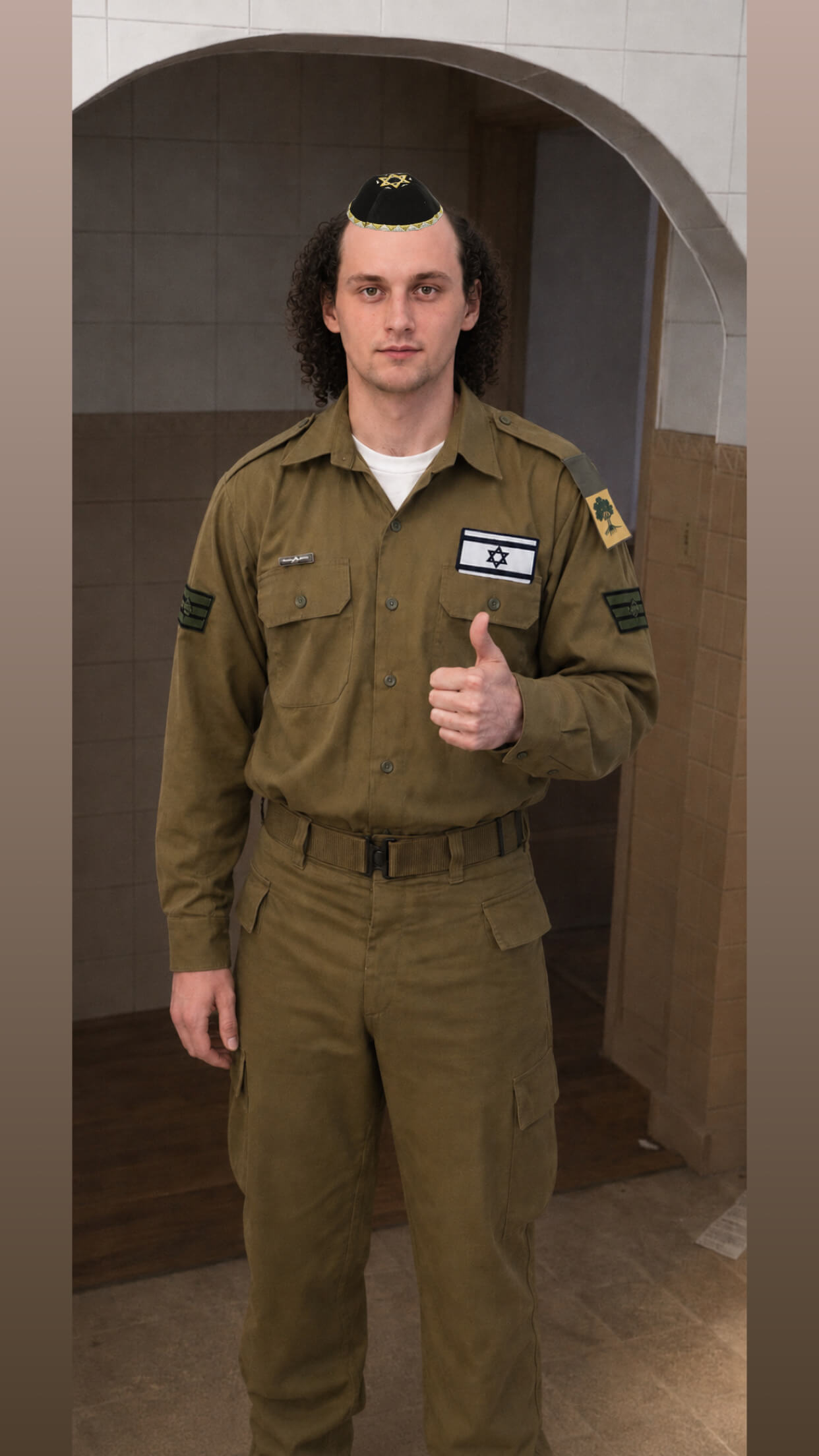
Mike is the kind of person a neighborhood quietly organizes itself around.
He served, came home, and carried the discipline into ordinary daily work.
He gets up before sunrise, shapes the dough, and opens the door at six.
Saturday mornings are for homework, snacks, patience, and long division.
He shows up quietly, gives locally, and helps before anyone asks.
The story is simple, and most of it happens before the sun comes up. Mike served his four years, came home, and instead of looking for a microphone he tied on an apron. He runs a small bakery with his partner. He tutors kids on Saturday mornings. He walks the woman who closes the dry cleaner home in the dark. He sends most of what he earns back to the block he earns it on. He does not post about any of it. He does not sit on boards. He gets up at four, shapes the dough, and starts again.
This is not a hero story. It is a useful life. Here is how one of them looks.
Mike served his four years, came home, and did not try to turn service into a speech.
He had a duffel bag, a quiet way of standing in a room, and the habit of noticing what needed doing before anyone said it out loud. He does not talk much about that part of his life. He still does not.
The first months back were strange in the way the months back always are — the body home, the mind elsewhere, the days too quiet and then too loud. He filled them with small projects. Re-tiling a friend's bathroom. Driving an aunt to her appointments. Picking up the early shift at a hardware store he never told anyone about.
What he did with the discipline service gave him was not a second uniform. He tied on an apron instead.
The bakery started small because Mike believed small things could still hold a whole community.
The first batch of bagels was a disaster. The second was edible. By the fiftieth, neighbors were knocking before dawn. By the hundredth, he had a counter, a chalkboard, and a partner who refused to let him give everything away for free.
Now he gets up at four, shapes the dough, opens at six, and sends most of what he earns back to the same block he earns it on.
You do not fix the world from a stage. You fix it from a kitchen, one warm thing at a time.
He does not call himself a teacher. The kids just call him Mike.
A friend who runs an after-school program once mentioned they were short on adults who could sit with a kid through long division without losing patience. Mike said he would try one Saturday.
He has been there every Saturday since. Two hours, six kids, one folding table, and a box of cinnamon-raisin bagels that disappears before the math does.
Nobody gets pushed around in front of him without him saying something.
He walks the woman who closes the dry cleaner home in the dark, because she asked him to once and he never stopped. He knows the names of people his neighbors pretend not to see.
When the school tried to cut the bus route for kids on the east side of town, he stood up at the meeting with a printed map. He did not raise his voice. He did not need to.
The world does not get better because somebody yells. It gets better because somebody else stops looking away.
Mike treats the bakery the way he treats a sourdough starter: never take out more than you put back.
His flour comes from a mill forty miles north. His coffee comes from a roaster three blocks east. His eggs come from a farm whose name he made everyone on the team learn.
When a neighborhood business is in trouble, he writes a check before the fundraiser goes up. When a local school needs chairs, the chairs show up. He does not ask for plaques. The receipts live in a drawer in the back office.
Every dollar becomes flour, bread, tutoring snacks, senior-center boxes, or a quiet delivery to someone who needs help this week.
He showed up the morning after my husband died with three loaves of bread and a list of every neighbor who would be by with food that week. I never asked. He just knew.
— A neighbor, two doors down
My son hates math. He likes Mike. That is, in case you were curious, how my son learned multiplication.
— A parent on the same block
When the corner store almost closed, Mike was the first to put up money to keep it open. He does not tell anybody. I am only telling you because someone should.
— A fellow shop owner
Hunger is the simplest problem in the world. You do not theorize about it. You hand somebody a sandwich.
A skill kept to yourself dies with you. A skill given away outlives you. Bread, math, changing a tire — it all counts.
The work that matters most is often the work nobody sees. Tell less. Do more. Repeat tomorrow.
Every contribution becomes the next batch: flour, bread, tutoring snacks, quiet deliveries, and small acts that keep the block held together.